
Doublesong
A piece of feel-good flash fiction

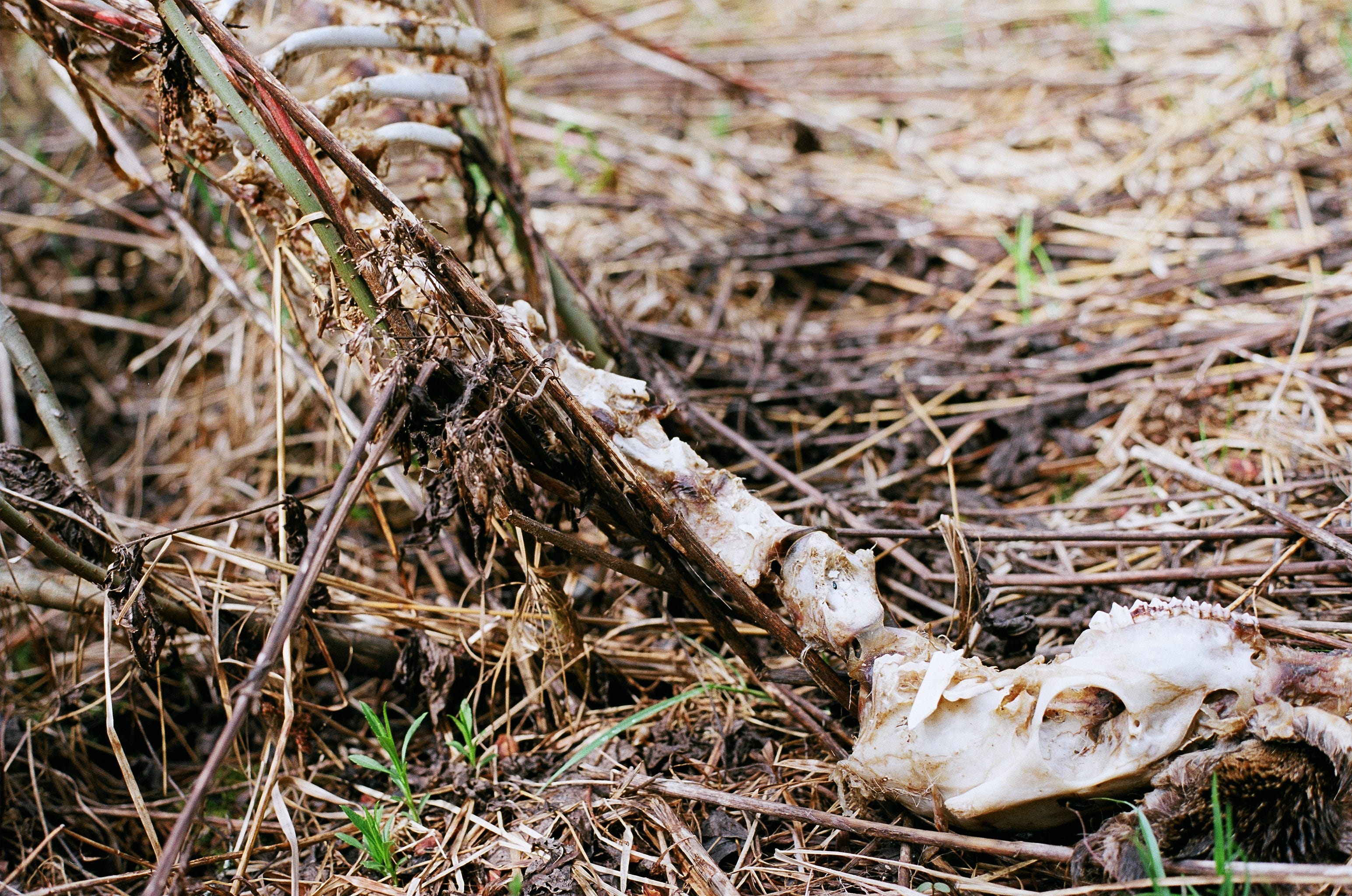
The storm had passed in the night, tearing shingles from roofs and branches from orchards. By morning the sky was washed clear. People went out warily to survey the damage as steam rose from sodden fields. They swept porches, mended fences, soothed their animals. By the time the boy awoke, all that remained was the smell of wet earth.
He was nine, small for his age, with a habit of carrying string in his pocket. He knotted it without looking, winding and unwinding until his fingertips reddened. Sleepy-eyed, he wandered into the kitchen and ate half a heel of bread before his mother told him to leave some for his sister. He stole a last bite, then went out to see what the storm had spared.
That’s when he found the bird.
It perched on a broken fencepost at the edge of their field, feathers clumped with rain, beak split like a lightning fork. When it opened its mouth, two notes came out at once—one bright, the other low and aching. They tangled in the air, clashing, then almost merging, until it was impossible to tell which was the wound and which the song.
Word spread quickly. Soon a crowd had gathered. Some called it a miracle; others, an omen. The butcher muttered that split things invited more splitting. Old Cray shook his head. He’d seen a calf with two heads once, and the town had known what to do then.
The family stood together by the fence. The boy’s father said nothing. His mother drew her shawl tight and kept her eyes lowered. The sister clung to her mother’s skirts, small enough to ask questions no one would answer. The brother, newly working at the mills, lingered near the men, listening.
Voices caught like dry grass—blessing or judgment, gift or curse. Old Cray muttered about the calf. “First we strung up the little ‘un,” he said. “Then the devil’s own cow that birthed it.”
A murmur passed through the crowd.
The father cleared his throat. He said the only thing he knew to say. “He’s needed for the harvest.”
The butcher grunted. “Another hand’ll do.”
Silence stretched.
Then the brother blurted, “If it’s him the bird calls, then it ought to be him. He found it—fair’s fair.” He stood straighter than he ever had, a man among men now, and some of the neighbours clapped his shoulder for the plain good sense of it.
The mother said nothing. The sister tugged her sleeve. “Will it sing at supper?” she asked. The mother smoothed the girl’s hair, hand trembling before she stilled it. “Will it sing after?” She drew the child closer, as though her stillness might undo what had begun.
The bird stirred atop the post—its wings opened, fluttered. The boy flinched. A gasp ran through the crowd. For a breath it hung there, beating the air and scattering drops like silver. The butcher lunged and caught it mid-rise. It cried out in its two voices, and the sound hushed the onlookers.
“Hold it fast,” the pastor said, stepping forward. “It will stay near the house of God three days. Let the Lord decide what meaning He gives.”
Someone brought a small cage from the rectory garden, used for hens in spring, and the bird was placed inside. The pastor hung it from the church gate. The crowd loitered, uncertain what came next, while the bird pressed its cracked beak against the wire and sang its double song until nightfall.
On the second day, new theories circulated. A midwife said it meant twins. The mill foreman said it was heaven and earth grinding together. Old Cray couldn’t get through a sentence without saying calf. By evening the town was arguing in the square—whether the song meant plenty or plague, windfall or warning. The pastor reminded them that on one count they all agreed: division demanded unification.
Men nodded, relieved to have something sure to repeat.
That night, the family ate in silence. The room was close with the stench of wet wool and woodsmoke. The father’s hands stayed folded on the table. His wife pushed her food around the plate, but never raised the fork to her lips. The boy wound and unwound his string. “Will the bird get cold?” asked the sister, reaching for the milk.
When the brother finally arrived, he was flushed with talk from the tavern. “They’re leaning toward an answer,” he said.
No one asked what it was.
On the third day, the sky was low and colourless. The bird had grown quiet, puffed against the chill. The pastor led the discussion. Talk ran in circles—division, balance, offering, renewal. Each word dulled the next until they all meant the same.
But by dusk, a decision had been reached.
The town shuffled solemnly out of the church. As they passed the cage, they bunched, faltered, as if waiting for one last, decisive sign. The air held.
All at once, the bird’s song drifted over the yard.
The sound was steady again, restored. They listened uneasily.
Then, from the back of the crowd, a woman murmured thanks; the cobbler crossed himself. Notes kept coming in single-file harmony—what had been fractured was now fused. Laughter spread, as if they’d all woken from a strange dream. The brother went red. He tried to smile, but no one met his gaze. Old Cray spat and kicked dirt, while the birdsong went on, bright and ordinary.
But when the tune ended, silence settled heavier than before.
The pastor leaned forward. A cold wind stirred the cage, hinges creaking, then quieting. For a moment, he looked like he was about to speak. Instead he straightened, adjusted his starched collar, and started down the road.
Old Cray followed first; the butcher next. The brother looked around, hesitated, then hurried after them. The others were not far behind.
By dawn, all that remained was a length of string, knotted, slick with mud, trampled into the wet earth.
And the world was set right.
First to comment.
First to comment.